 English
 中文简体
中文简体 日本語
日本語 Español
A material sample can look promising in the showroom and still create unexpected problems during production. For companies developing automotive interiors, furniture, footwear, bags, or other products, Bio-Based Leatherette needs to be evaluated according to how it will be cut, formed, sewn, bonded, cleaned, and used. Recent automotive material development continues to emphasize performance validation when introducing bio-based and recycled materials, rather than relying on material origin alone. For overseas buyers, a structured sample evaluation can therefore make material selection more practical and reduce uncertainty before production.

Begin With the Finished Product
The step is to define where the material will be used. A seat surface, door panel, furniture cushion, footwear upper, and decorative accessory can place very different demands on the material.
Before requesting samples, buyers should identify:
- Intended application and product structure
- Required flexibility and forming method
- Cutting and sewing process
- Expected surface contact
- Cleaning requirements
- Exposure to heat, light, or repeated movement
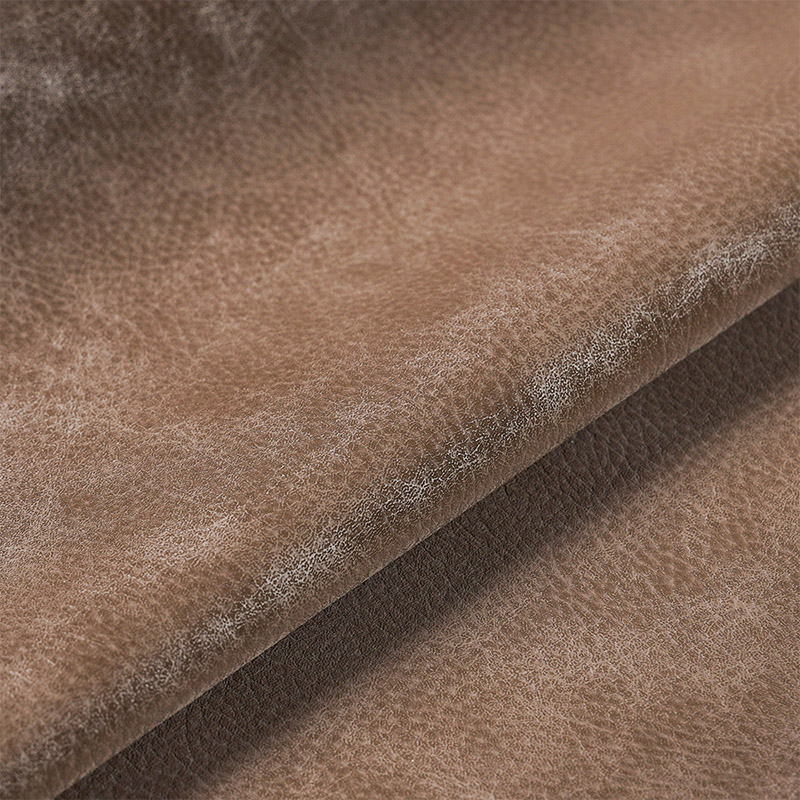
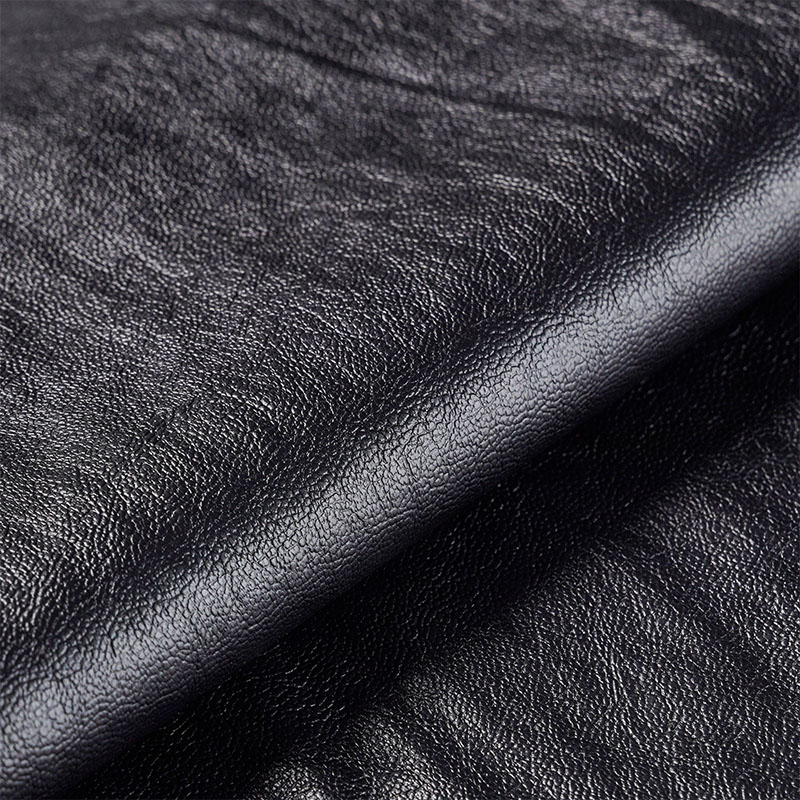
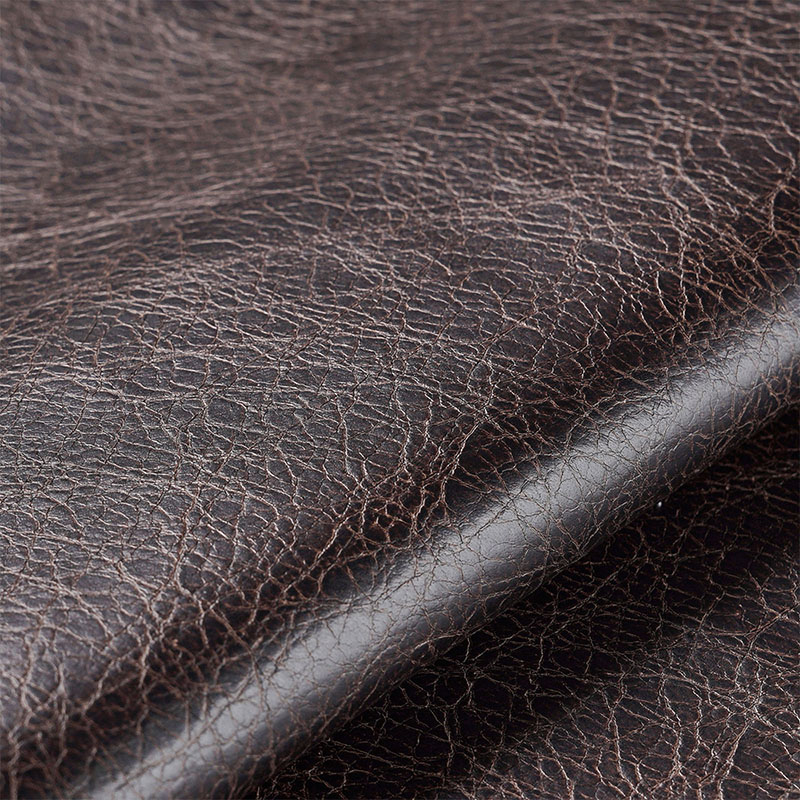
- Desired texture, color, and appearance
This information helps a manufacturer evaluate the material according to its actual purpose rather than providing a generic recommendation.
Test Processing Behavior Before Appearance
A material may have the right color and texture but still be difficult to process. Cutting, stitching, bonding, folding, and forming can reveal characteristics that are not obvious from a flat sample.
For example, excessive resistance during bending may complicate shaped components, while inconsistent surface behavior can affect sewing or bonding. Buyers should therefore test a sample using the same or similar production method planned for the finished product.
This approach gives engineers a clearer understanding of whether the material can fit an existing manufacturing process.
Pay Attention to the Material Construction
Leatherette performance is influenced by its complete construction rather than the surface layer alone. The face, backing, coating, and overall structure can affect flexibility, friction, appearance, and processing behavior. Research on automotive leatherette has also shown that material construction can influence interface behavior and noise performance in specific applications.
When reviewing a Bio-Based Leatherette sample, technical buyers can therefore ask about:
- Surface construction
- Backing material
- Overall thickness
- Flexibility
- Surface finish
- Available textures
- Suitable processing methods
A clear understanding of the construction makes technical comparison more meaningful.
Consider Durability Under the Actual Use Conditions
Durability should be connected to the final application. Automotive interiors, for example, can experience repeated contact, temperature changes, sunlight exposure, abrasion, and cleaning. Other products may have completely different service conditions.
Recent automotive material studies continue to evaluate sustainable material candidates against application-specific requirements such as abrasion, color behavior, mechanical properties, thermal conditions, and other performance factors.
For procurement teams, this means a general statement such as “durable” is less useful than knowing which performance characteristics have been evaluated for the intended application.
Do Not Ignore Surface and Cabin Requirements
For materials intended for vehicle interiors, appearance is only one consideration. Odor and volatile emissions can also become part of material evaluation, particularly when polymer-based materials are used inside enclosed passenger compartments. Recent automotive research has specifically examined VOC and other emissions from interior materials during product development.
This does not mean every Bio-Based Leatherette application requires the same testing. Instead, buyers should identify the requirements relevant to their market, product, and end use before selecting a material.
Compare Samples Under Consistent Conditions
Comparing several material samples becomes more useful when the evaluation method remains consistent. Testing one material under one process and another under completely different conditions can make the results difficult to interpret.
A practical comparison can record:
- Appearance before processing
- Ease of cutting
- Sewing or bonding behavior
- Flexibility during forming
- Surface condition after processing
- Cleaning response
- Changes after relevant environmental exposure
This creates a clearer technical record for purchasing and product-development teams.
Ask the Supplier for Technical Support
Material selection is often more efficient when buyers communicate the complete application instead of simply requesting a “green leather alternative.” A knowledgeable supplier can then discuss construction, processing suitability, available finishes, and relevant testing requirements.
From a manufacturer's perspective, this information is also important for developing consistent material solutions. It allows the supplier to understand whether the priority is flexibility, surface appearance, processing performance, environmental requirements, or a combination of factors.
Make Sample Validation Part of Sourcing
Choosing a sustainable material should not mean choosing between environmental objectives and practical manufacturing requirements. A well-structured evaluation can help buyers understand how a material behaves before it reaches larger-scale production. For overseas automotive, furniture, fashion, and product manufacturers, working with a Biobased Leatherette Supplier that can communicate clearly about material construction, application requirements, and testing can make sourcing decisions more precise. For a manufacturer, this application-focused process also provides a stronger foundation for developing Bio-Based Leatherette that fits the buyer's real production needs.